
Regular Vision Exams for Total Health: Schedule Yours Today

Stress and Your Mental Health
June 11, 2020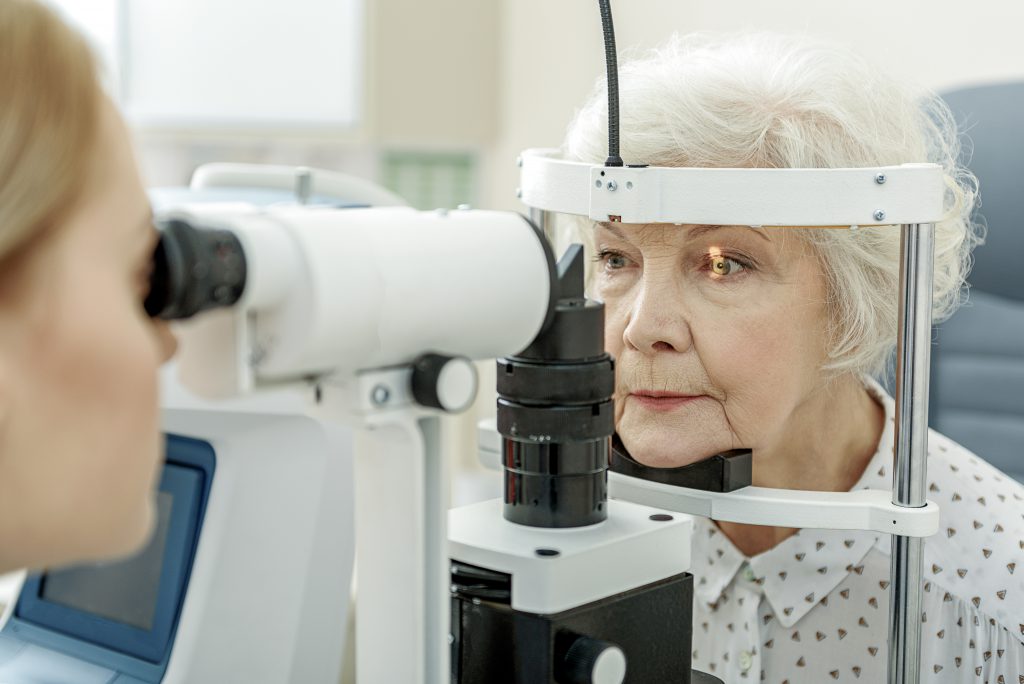
Eye health is a vital yet often overlooked component of overall well-being. Many people associate eye exams solely with the need for glasses or contact lenses, but comprehensive vision checks play a much broader role. Regular eye examinations can detect early signs of eye disease, reveal changes in visual acuity, and even uncover indicators of systemic health conditions. By prioritizing routine eye care, individuals can protect not only their sight but also their long-term health.
One of the most important reasons to regularly check your vision is to detect eye diseases early. Conditions such as glaucoma, macular degeneration, cataracts, and diabetic retinopathy often develop gradually and may not cause noticeable symptoms in their early stages. Without regular exams, these diseases can progress silently, leading to irreversible vision loss. Eye care professionals use specialized tools to examine the retina, optic nerve, and eye pressure, allowing them to identify problems early when treatment is most effective. Early diagnosis can slow or even prevent permanent damage, preserving the quality of life.
Eye exams can also provide insight into broader health issues. The eyes offer a unique window into the body’s blood vessels and nervous system. During a comprehensive exam, an optometrist or ophthalmologist may notice signs of high blood pressure, diabetes, autoimmune disorders, or even neurological conditions. In some cases, changes observed in the eyes prompt referrals to other healthcare providers, leading to earlier diagnosis and better overall health outcomes. This makes routine vision checks an important part of preventive healthcare, not just vision correction.
Beyond disease detection, regular eye exams are essential for ensuring that your eyeglass or contact lens prescription remains accurate. Vision can change gradually due to age, lifestyle factors, screen use, or underlying health conditions. Wearing outdated prescription eyewear can cause eye strain, headaches, blurred vision, and fatigue, particularly for those who spend long hours working on computers or digital devices. Children and young adults may experience vision changes as their eyes develop, while adults over 40 may notice difficulty focusing up close due to presbyopia. Regular checkups ensure that corrective lenses continue to meet your visual needs.
Contact lens wearers, in particular, benefit from routine exams. Improperly fitted or outdated contact lenses can lead to discomfort, dryness, infections, or damage to the cornea. Eye care professionals assess not only vision clarity but also eye health, tear quality, and lens fit. These evaluations help ensure safe and comfortable contact lens use while reducing the risk of complications.
When it comes to selecting eyewear, choosing a reputable eyewear company can enhance both comfort and eye health. Many modern eyewear brands offer high-quality lenses with protective features such as anti-reflective coatings, blue light filtering, and UV protection. Some companies combine professional eye care services with a wide range of stylish, durable frames, making it easier for patients to find eyewear that suits their lifestyle and prescription needs. Working with an eyewear provider that prioritizes quality, accuracy, and patient education can help ensure that your corrective lenses support long-term visual comfort and health.
In conclusion, regular vision checks are about much more than seeing clearly. They are a key component of preventive healthcare, helping to detect eye diseases early, monitor vision changes, and identify signs of systemic health conditions. Keeping prescriptions up to date reduces discomfort and supports daily performance at work, school, and home. By scheduling routine eye exams and investing in quality eyewear, individuals can take proactive steps to protect their vision and overall well-being for years to come.